

Meet Jason Lock: empowering businesses to turn IT into a strategic advantage
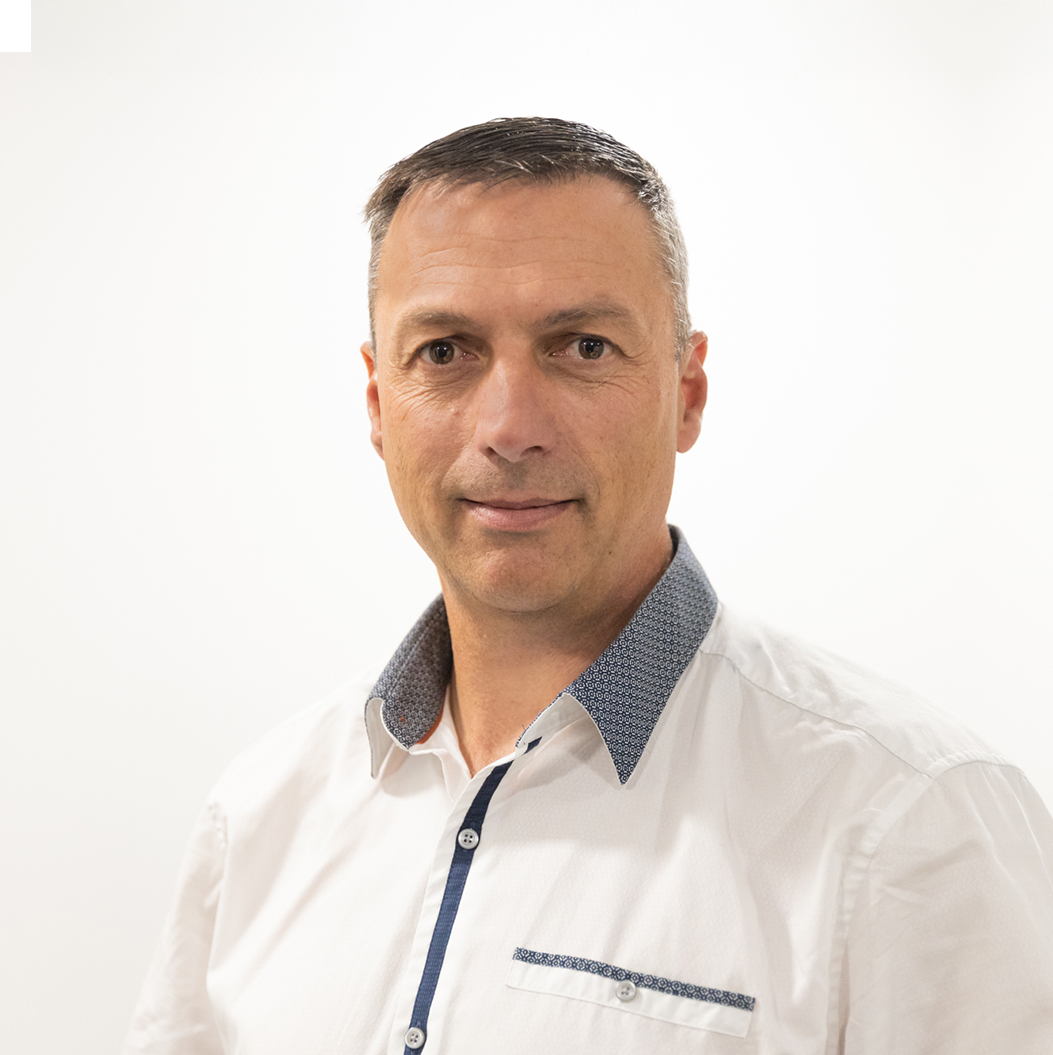

Hi Jason, can you tell us about your role at Fluid?
Although I manage the Infrastructure, Security Operations and AI teams, my primary role as IT Transformation Director, is offering Fractional IT Director as a service. I will take on the role as IT Director for different businesses at times when they need support. One primary advantage of this offering is that it can be dialled up and down as needed. These businesses usually need guidance in IT transformation and modernisation, rather than a full-time Head of IT, along with the long-term costs and responsibilities that come with this role. As part of our core service at Fluid, I also navigate IT reviews, primarily for private equity (PE) businesses that are looking to either buy or sell a business. PE houses need to understand the state of the IT and the risks associated within the IT infrastructure before they push forward with an acquisition or a sale. In the same breath, PE houses often want us to review the IT estate before selling, to check if there are any ‘quick wins’ they need to do before putting the business up for sale that could affect the selling price.
How many years of experience do you have working in IT?
I started my career in IT when I was 16, straight out of school. My first step was as a software developer doing Linux-based SSADM systems, then moved on to becoming an IT Engineer. My next step was moving to London, where I took on a role of Senior Server Engineer for Morgan Stanley. I then opened my own managed service provider (MSP) business. The business grew and we expanded into IT retail and then distribution. We eventually sold those parts of the business, and I decided to move into consulting, where I joined Fluid a little over five years ago.
What relevant industry experience do you bring to the firm?
Having worked in IT and technology for a long time, I’ve covered a huge spectrum of different industries, all had their own unique challenges and circumstances. When working for a business for an extended period of time, you really get to understand the businesses, what makes them tick and how they operate. Each sector works differently when it comes to technology, culture and people.
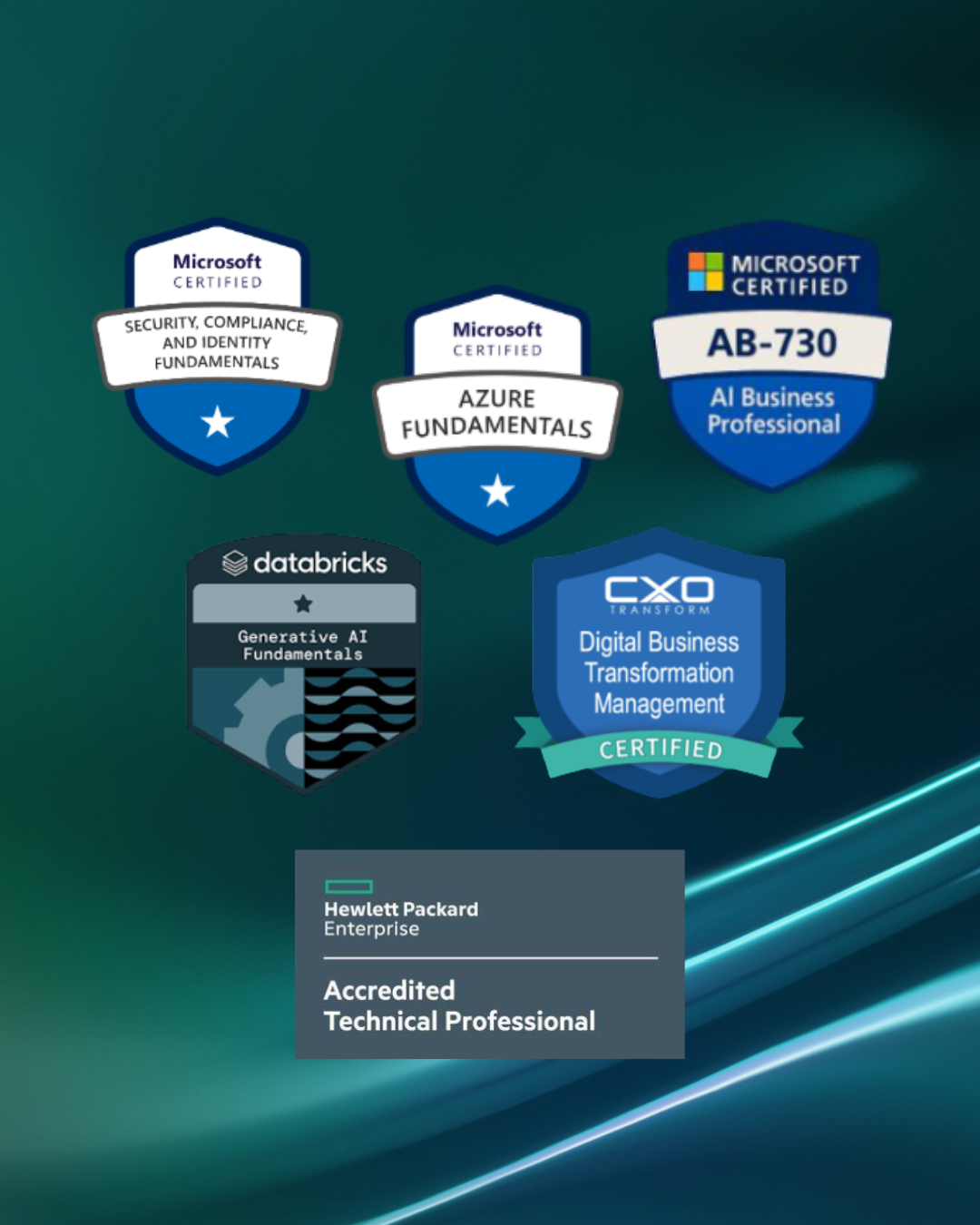
Over the years, I have built up my skills with the Microsoft stack and achieved a few Microsoft certifications, including Microsoft Azure, Microsoft security and compliance and Microsoft AI. I have also achieved the Databricks Gen AI certification and the CXO Digital Business Transformation certifications, and I gained the HP Enterprise certification while I was with Morgan Stanley. And I’ve done the Price2 project management.

Do you sit on any boards or governing bodies?
Usually, as the acting IT Director, I’d sit on the board for the business I’m engaged with. I typically work with two or three clients at a time. Once the engagement has finished, which typically lasts one to two years, I move on to the board of the next engagement. The only exception is a charity organisation I’ve been working with for the last five years called Candlelighters, which supports children with cancer and their families.
What are some of the common challenges you come across that MSPs face?
Most of the businesses I work with will have an MSP partner who is there to fix IT issues when they arise. My job is to work with the MSP to strategically transform the IT so that IT becomes the springboard for business growth and innovation, not just a monthly break-fix cost. We work closely with our clients and the MSP to get the functionality and capabilities on the ground. Another key aspect is IT policies and procedures. I help businesses get the IT policies and procedures aligned to specific frameworks like Cyber Essentials, ISO, SOC2, etc, and then work with the MSP or vendor to ensure the systems align to the policies. IT can truly revolutionise a business if done right.
The biggest challenge is around efficiencies. We implement the technologies that make the staff far more efficient in their role. The businesses that we deal with are typically on a rapid growth spurt. If we implement the right IT and technology, although they may double the turnover, they won’t need to double the workforce. When staff become more efficient at their job, as the business grows, there is no need to grow the staff number by the same proportion. With all the different clients and engagements that I’ve been involved in so far, we’ve never had a situation where the staff numbers have reduced because of efficiencies. It simply gives people a lot more headspace and significantly more time to focus on things other than their day-to-day tasks. As soon as their time is freed up, people instantly gravitate towards self-skilling and upskilling themselves. They can become more creative, bring many more ideas and different ways of working to the table. You see the excitement happen, people become engaged and proud to be part of that business. It’s good for the whole business morale as opposed to just the bottom line.

What are some of the big changes, factors or emerging technologies that businesses might be facing in the next few years?
AI is probably the biggest one at this time. It’s great tech, but it comes with its challenges. I’ve seen many businesses rush into AI without properly understanding it. AI needs to be aligned to the Business strategy and there needs to be a clear understanding of the technology and the data. These then need to be overlayed with the organisation’s culture and governance. Business leaders need a clear vision of what they are trying to achieve and then the understanding to select the best AI solution(s) to meet those goals. Implementation of AI needs to be carefully planned, not only for the strategic goals but also around the data security, governance and ethics. If AI has full autonomy of the business data without guardrails in place, it can potentially share sensitive data with any person asking for it.
What are some of your career highlights?
Working at Morgan Stanley was great from a career perspective. The scale at which they operate, especially in the IT sector, is impressive. It’s a global business; it was eye-opening and gave me a great exposure to enterprise-grade IT.
Opening my own business was also fantastic. I absolutely loved running my own business and seeing it grow over the years. Although I must admit, the toughest boss you’ll ever have is yourself.
Moving to consultancy has also been great. It was a much bigger change to what I anticipated. It’s not a complete career shift, but certainly very different from anything I had dealt with before. Consultancy is very proactive, rather than reactive. I love the blue-sky thinking. We constantly look into the future, seeking ways of improvement and I’m enjoying it.
What's the best piece of business advice that you've ever been given?
A golden nugget quote: When implementing a new system in a business, implement the system and then change your business processes to suit the system. Never the other way round.
Can you tell us about some of the most memorable projects that you’ve worked on?
My favourite ones were companies called Whitby Seafoods and Energyline, their business culture is amazing. In both cases, they embraced me into the business and treated me as a partner, not a supplier. I was included in all the business functions, which enabled me to get to know the staff on a personal level and understand their needs – that partnership really helped. Welcoming me into the business with the element of trust to make the best decisions for their business allows me to maximise the value that we can deliver. This is what sets businesses apart when it comes to IT transformation.
What gets you up in the morning and inspired for the day?
Family. Jumping up, getting the family going for the day and going for a walk in the morning with our dog, it’s just such a nice way to start the day, I absolutely love it. I live up in the North Yorkshire Dales, and we’ve got the most amazing countryside walks. Having a puppy gets you out of the house for a walk at least two to three times a day, no matter what the weather is like.
What else do you like to do outside of work?
I really enjoy golf, skydiving, fishing (especially off-shore) and boating. I love it, but I get very little chance to do those anymore. Around Harrogate, there are some amazing golf courses, and it’s a great social exercise. I also enjoy mountain biking, there are loads of incredible tracks around where I live.
I love travelling. Whenever we can, we go travelling together as a family. We want to open our kids’ eyes to the world, all the different cultures, the way different people live their lives and to teach our kids to appreciate what you’ve got and not take things for granted. In the last couple of years, we’ve done a fair bit of Europe, the States and around Africa. We’ve never done any of the Far East, but we’ve got a fantastic adventure planned for Vietnam later in the year, so looking forward to that.
If you could only eat one meal for the rest of your life, what would it be?
My favourite meal, without a doubt, is a T-bone steak.
Ready to build your expert tech team? Get in touch today to identify your capabilities with our IT Discovery service.